Destination Inspiration
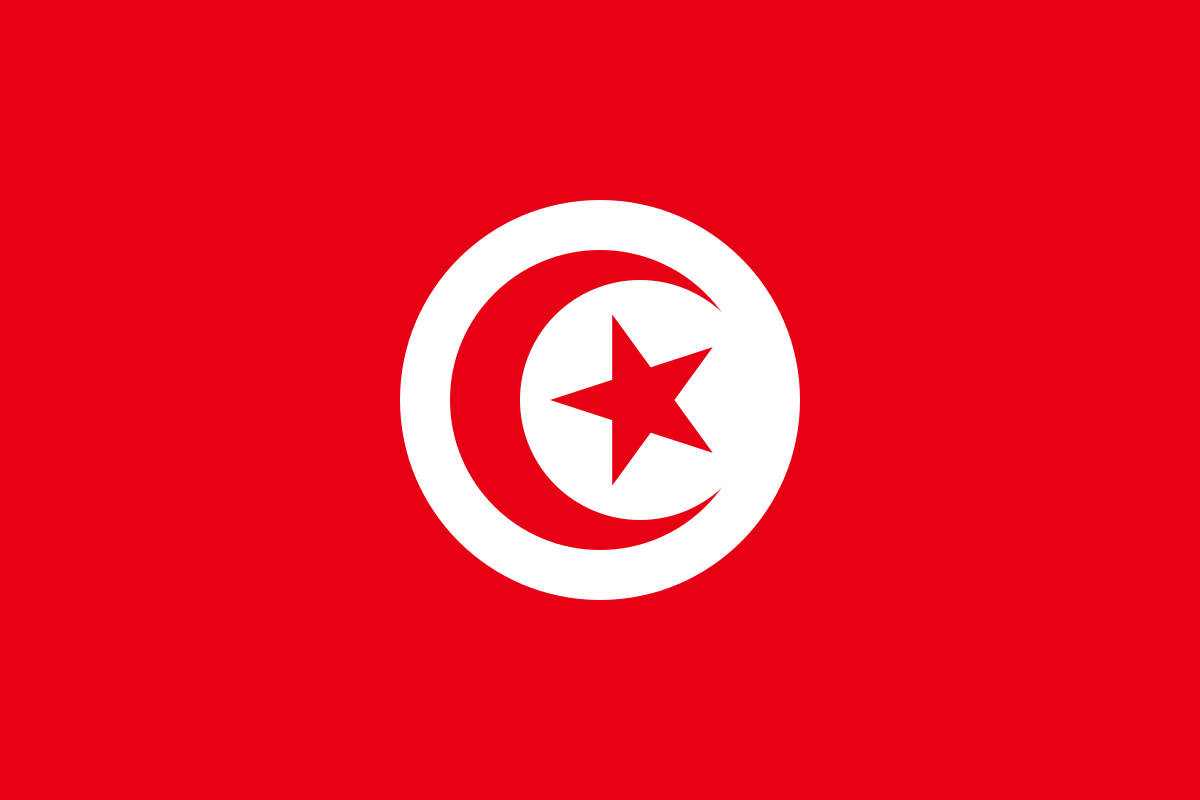
Tunisia
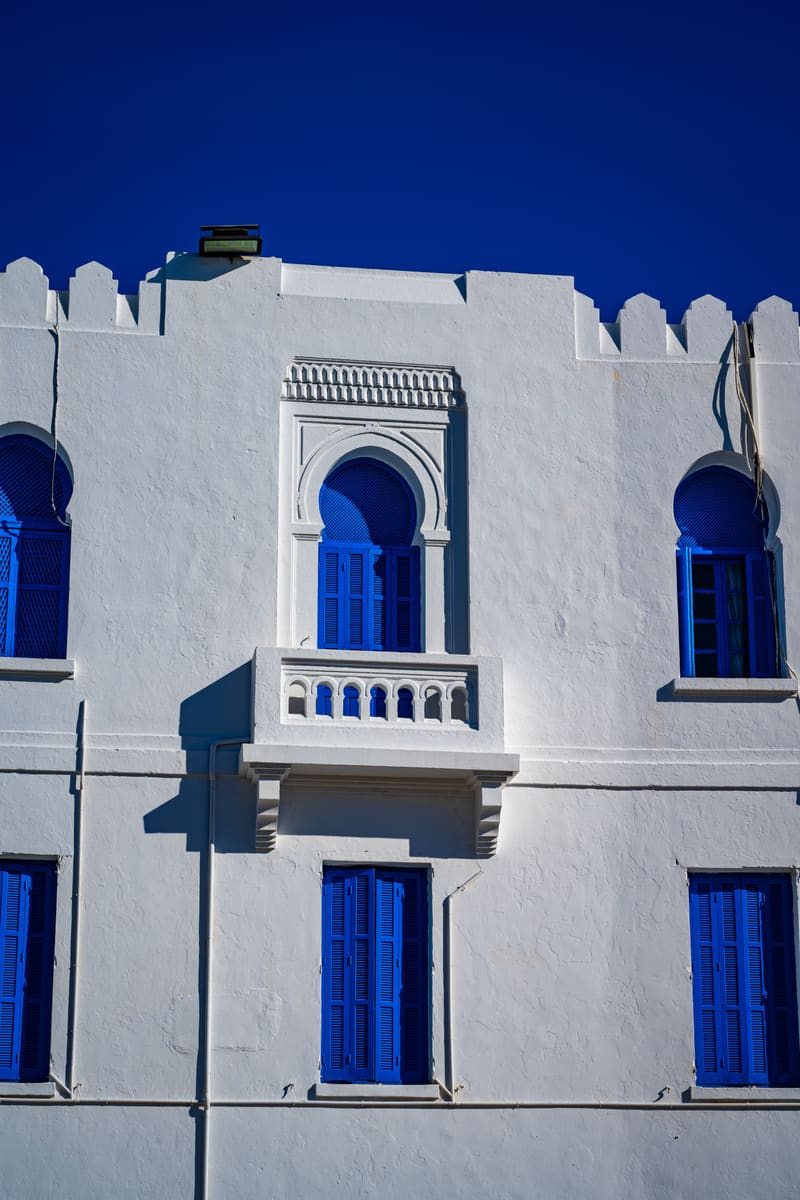
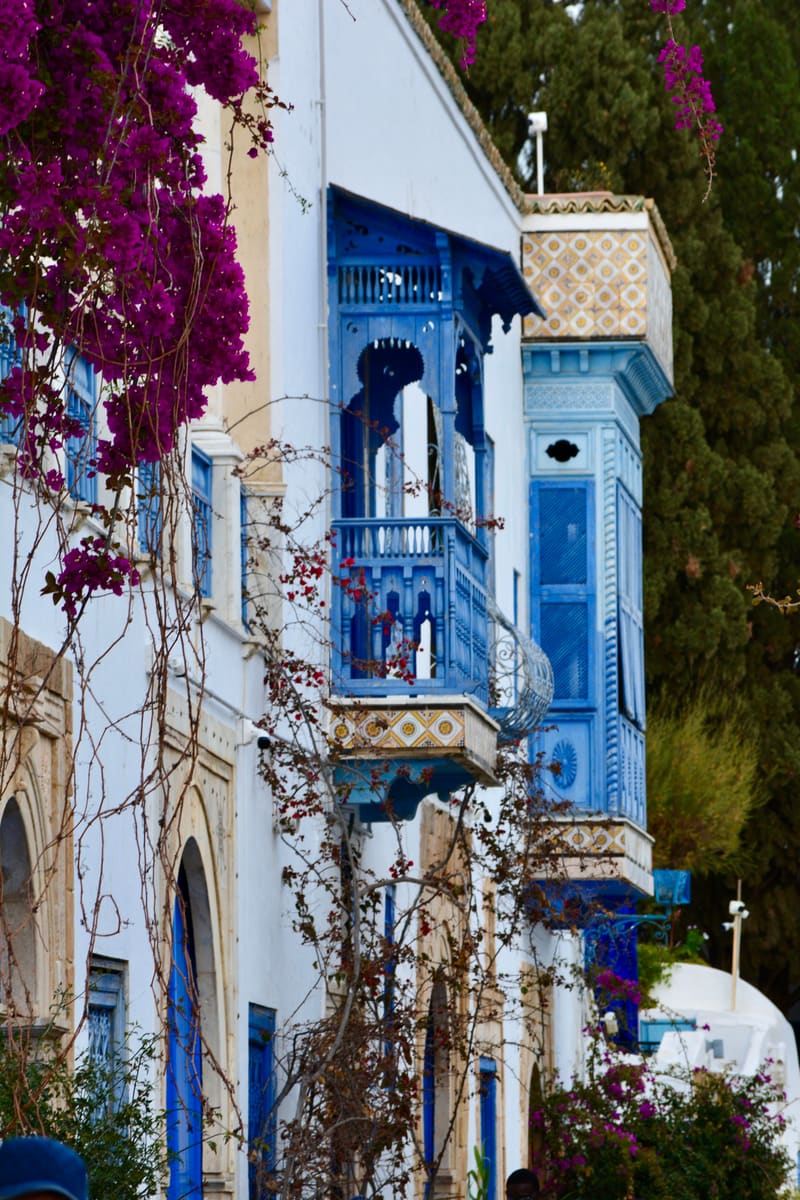
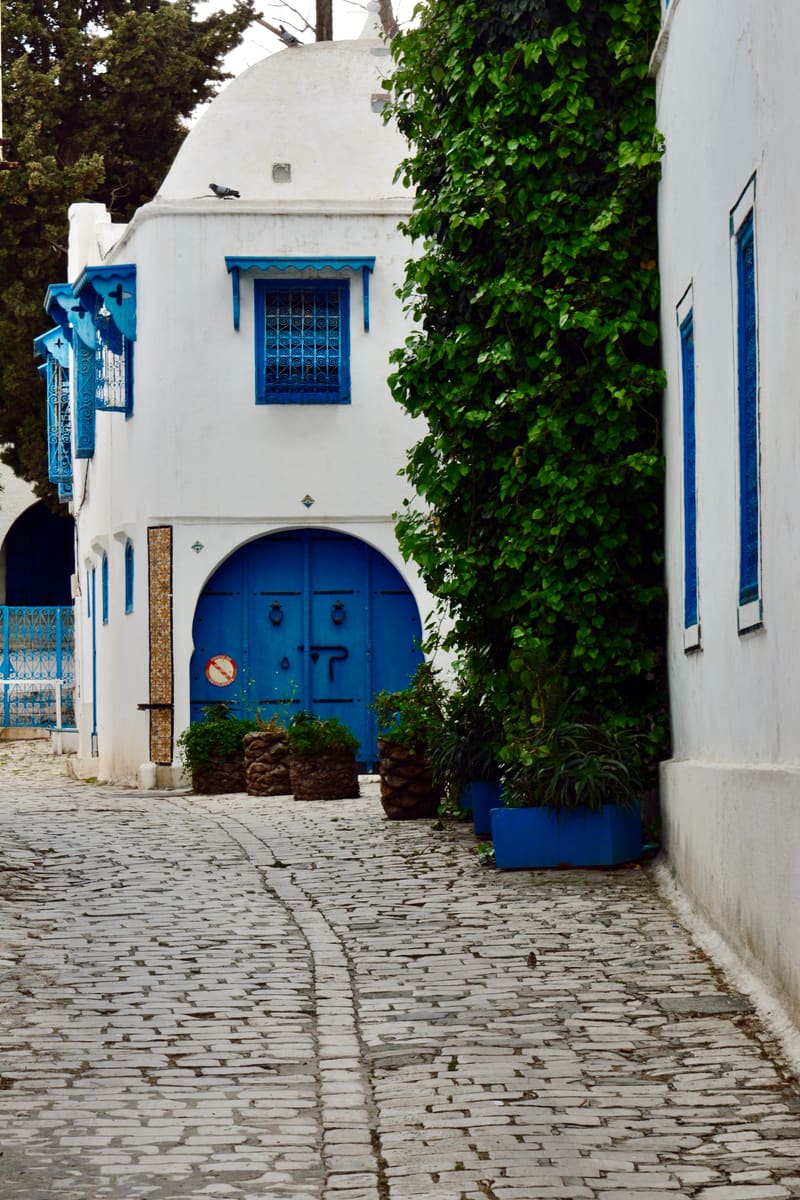
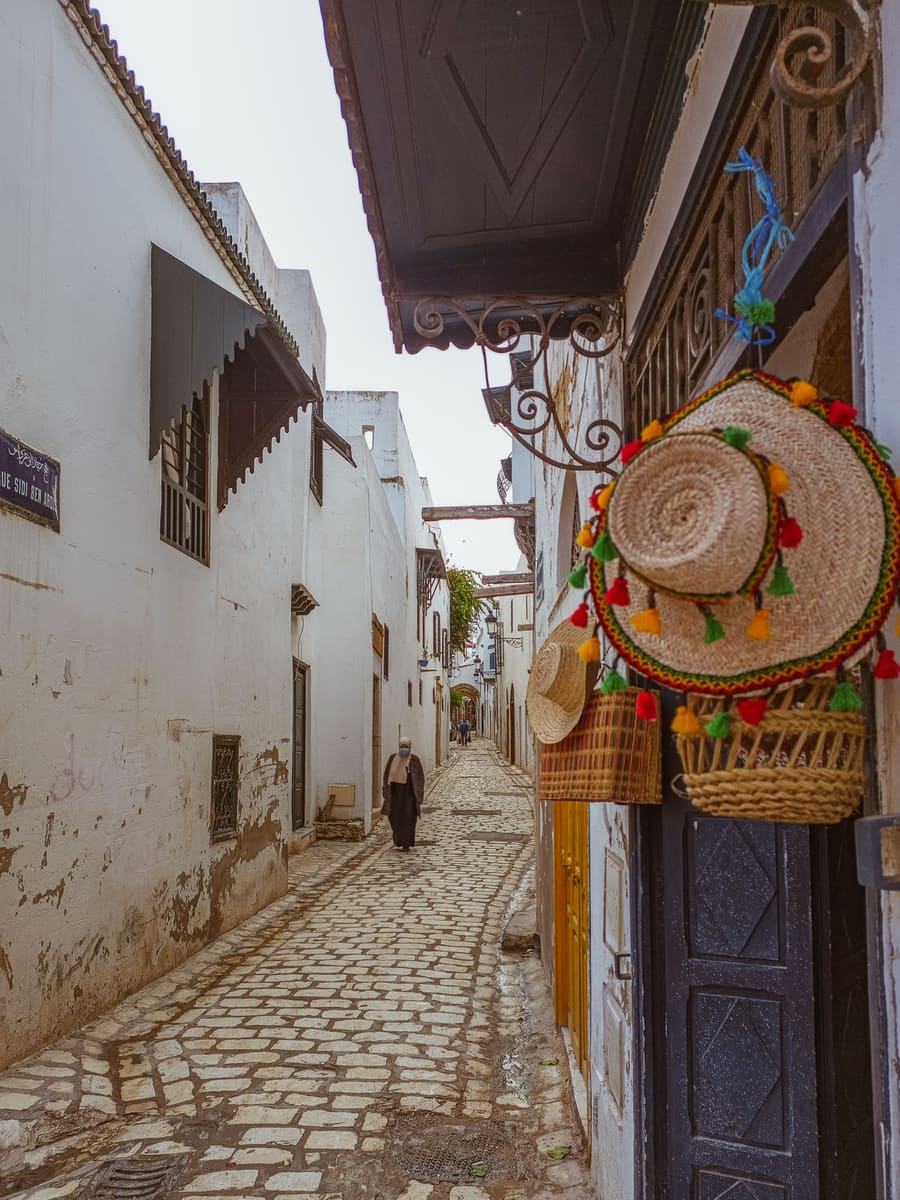
Tunisia punches well above its size, packing Roman ruins, Saharan dunes, whitewashed medinas, and Mediterranean beaches into one compact North African nation. It sits at the crossroads of Berber, Arab, Ottoman, and French influences, giving travelers a layered cultural experience that feels genuinely distinct from anywhere else on earth. From the ancient city of Carthage to the surreal salt flats of Chott el-Djerid, Tunisia rewards the curious traveler at every turn.
Tunisia at a Glance
- Best time to visit
- Spring (March–May) and autumn (September–November) offer the most pleasant temperatures for exploring both coastal cities and desert landscapes, avoiding the intense summer heat of the interior.
- Ideal trip length
- 10–14 days, which allows travelers to move meaningfully between the northern medinas, the central steppe, the Saharan south, and the Mediterranean coastline without feeling rushed.
- Good to know
- Arabic and French are the dominant languages, and a handful of French phrases go a long way in smaller towns beyond Tunis. Don't overlook the Ksour region in the deep south — the ancient Berber granary villages (ksour) around Tataouine and Medenine are among the most architecturally striking and least-visited sites in all of North Africa.
Ready to see Tunisia for yourself?
Tell me what you're picturing and I'll build a custom plan — flights, stays, and the experiences worth your time.
Travel pricing changes frequently and is not guaranteed until a deposit or full payment is processed.