Destination Inspiration
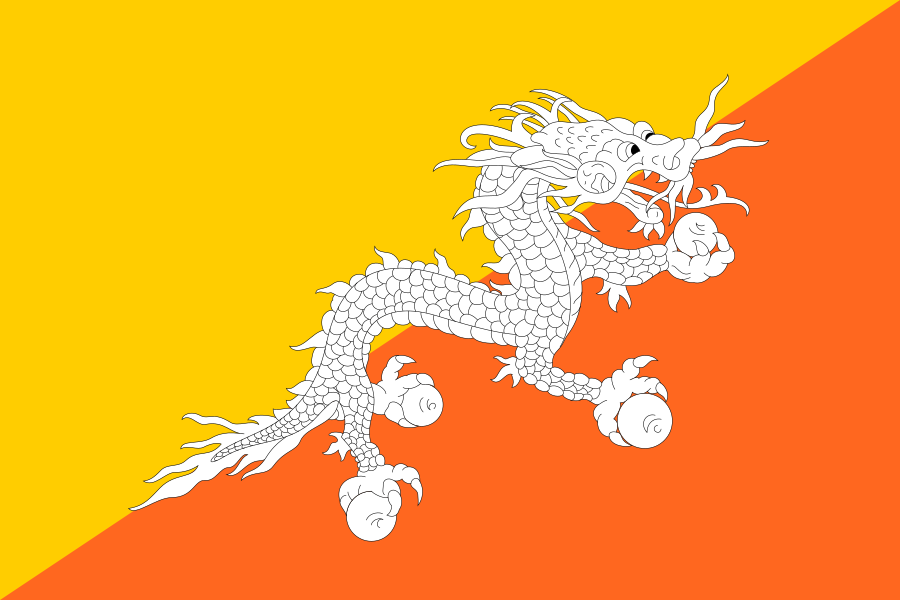
Bhutan
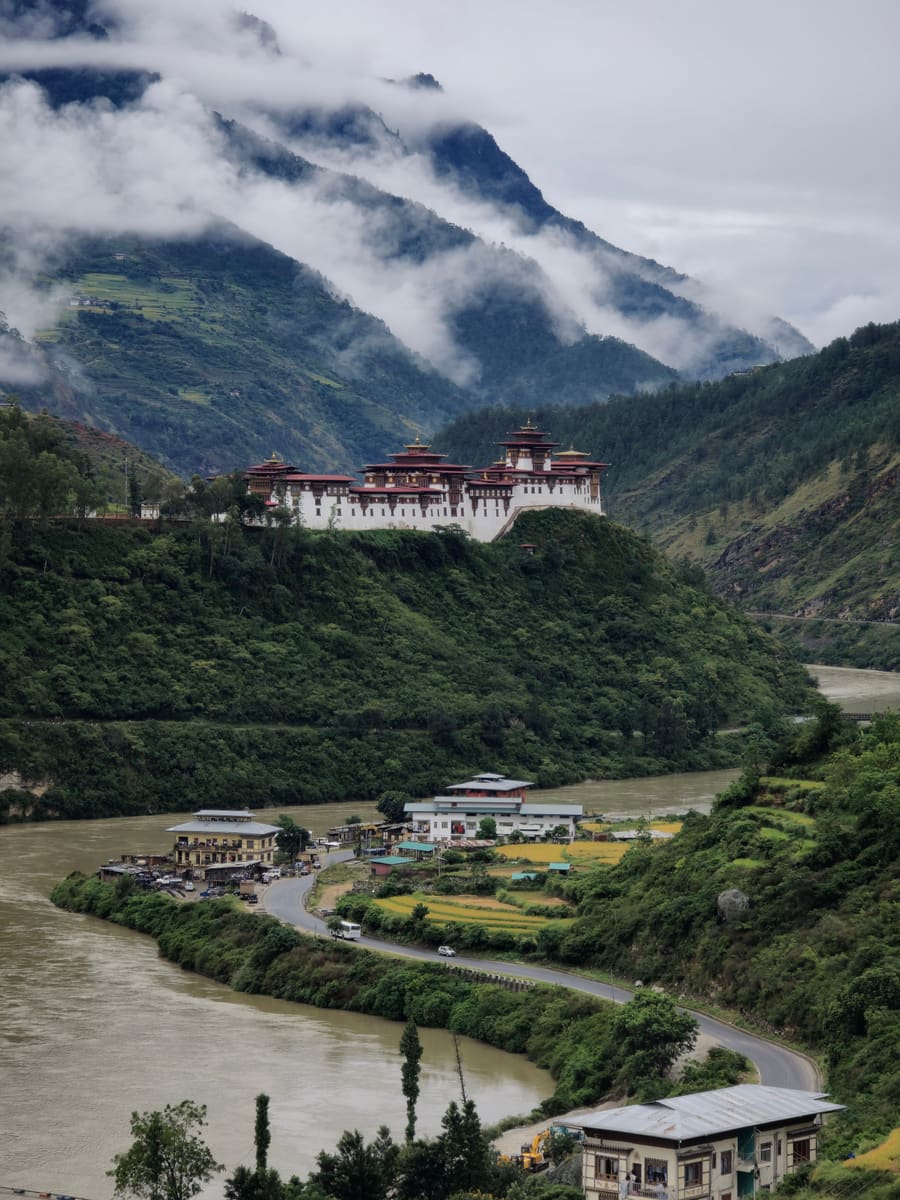
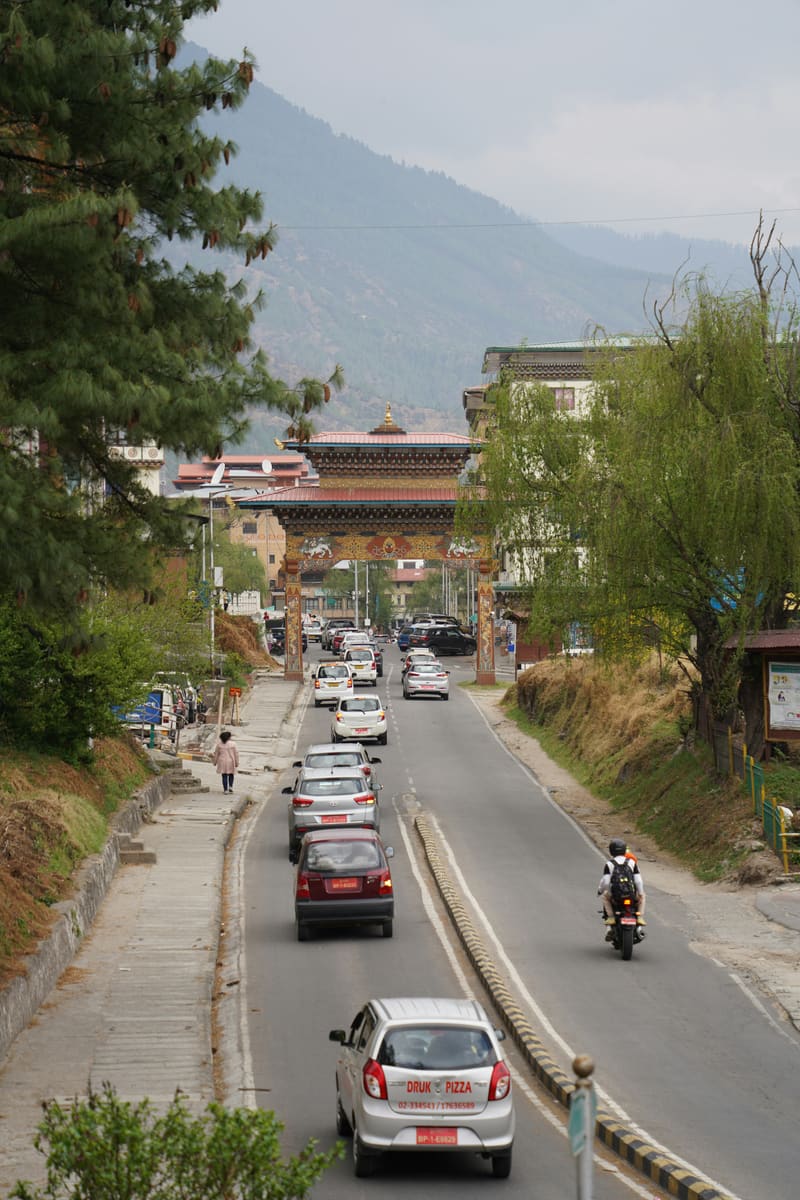
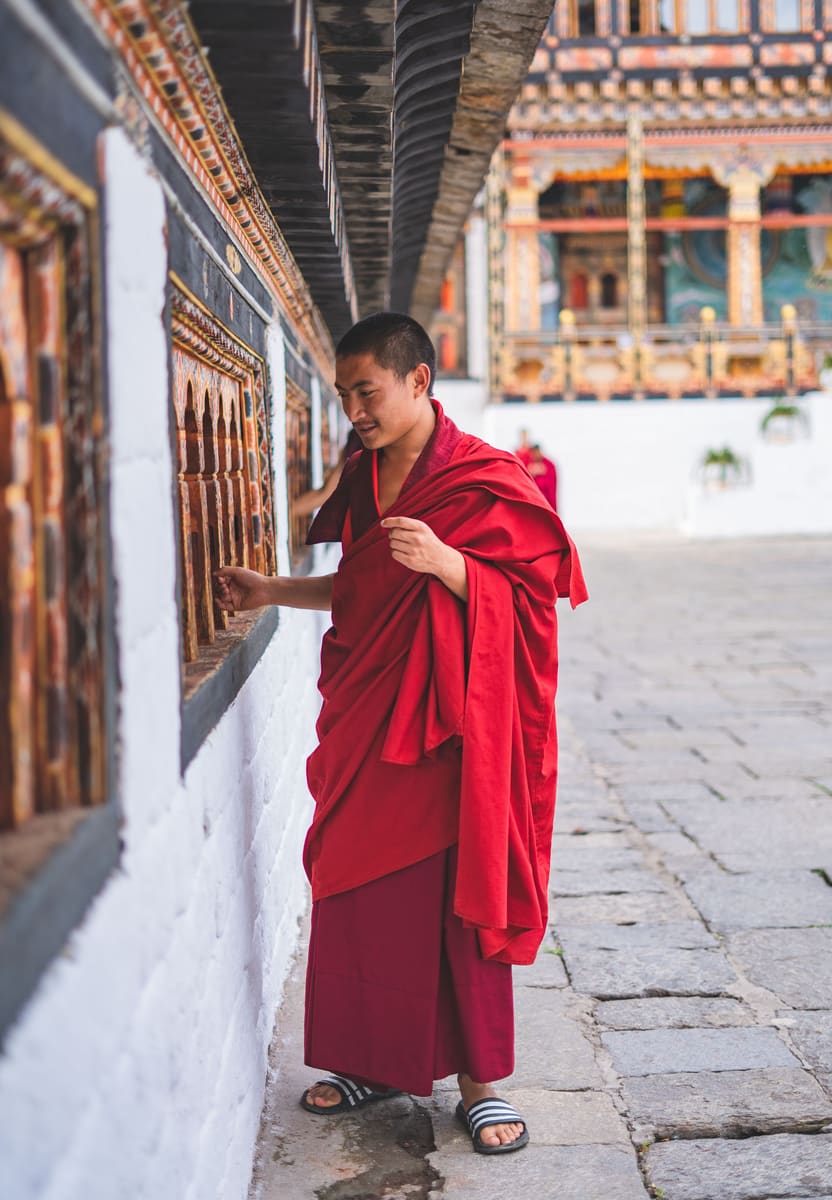
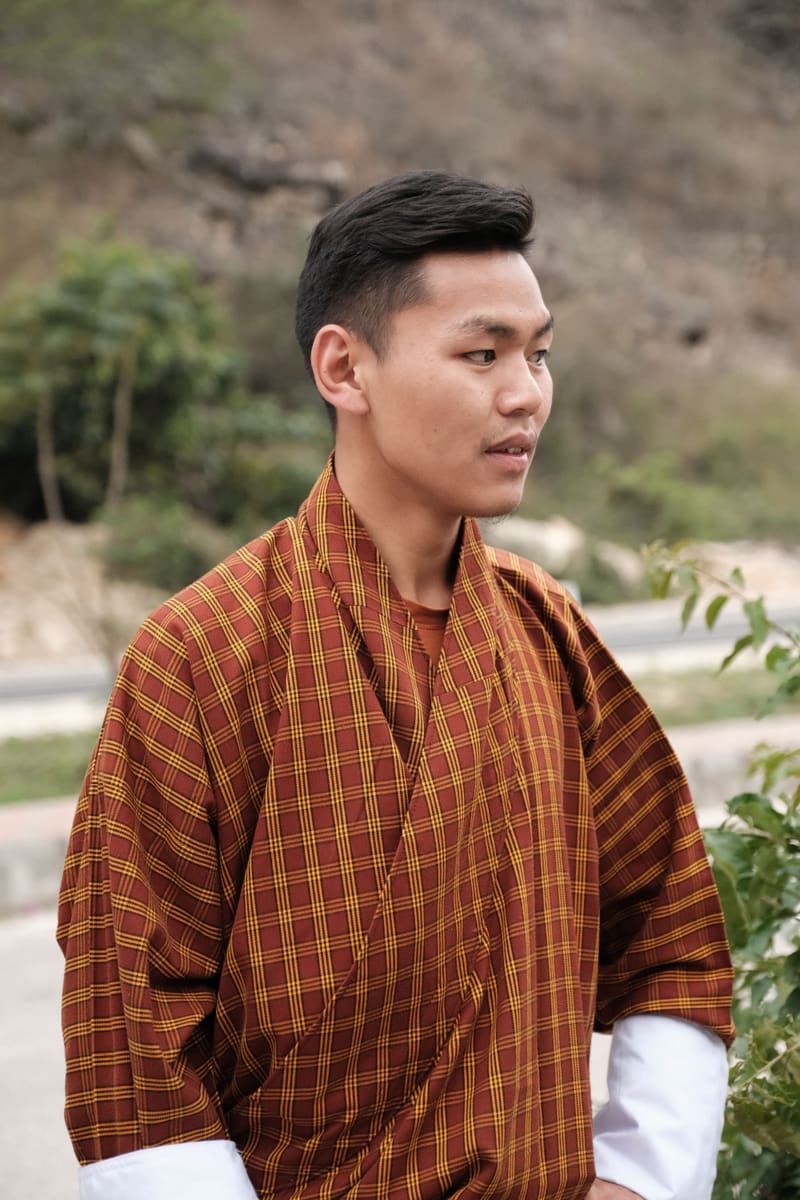
Tucked into the eastern Himalayas between India and China, Bhutan is one of the world's most intentionally preserved kingdoms — a place where ancient monasteries cling to cliffs, rice terraces cascade down river valleys, and Gross National Happiness is official government policy. The country's commitment to "high value, low impact" tourism means travelers encounter an unhurried culture, pristine forests covering more than 70 percent of the land, and a way of life shaped by Vajrayana Buddhism. For U.S. travelers seeking depth over crowd, Bhutan delivers a journey that feels genuinely unlike anywhere else on earth.
Bhutan at a Glance
- Best time to visit
- Spring (March–May) and autumn (September–November) offer the clearest skies, most comfortable temperatures, and the best visibility of snow-capped Himalayan peaks.
- Ideal trip length
- 10–14 days — enough time to travel between the western valleys of Paro and Thimphu, venture east toward Punakha, and still experience at least one high-altitude hike without feeling rushed.
- Good to know
- All international visitors must enter with a licensed Bhutanese tour operator, which means your logistics — guides, transport, and accommodations — are handled end to end, making the trip surprisingly seamless despite the remote setting. While English is widely spoken in the tourism industry, learning a word or two of Dzongkha (the national language) goes a long way with locals; and don't miss the Punakha Valley, often overshadowed by Paro yet home to Bhutan's most majestic dzong at the confluence of two rivers.
Ready to see Bhutan for yourself?
Tell me what you're picturing and I'll build a custom plan — flights, stays, and the experiences worth your time.
Travel pricing changes frequently and is not guaranteed until a deposit or full payment is processed.
Keep Exploring